

Why One Deal Changed Formula 1 Forever
How Formula 1 expanded globally under Liberty Media

Not too long ago, Formula 1 was seen mainly as a European sport with a niche group of fans and limited presence in mainstream culture. Today that picture looks vastly different; as of 2025, Formula1.com has reported a global fanbase of 827 million, making it the world’s most popular annual sporting series. This figure represents a 12% year-on-year increase and a 63% jump compared to 2018.
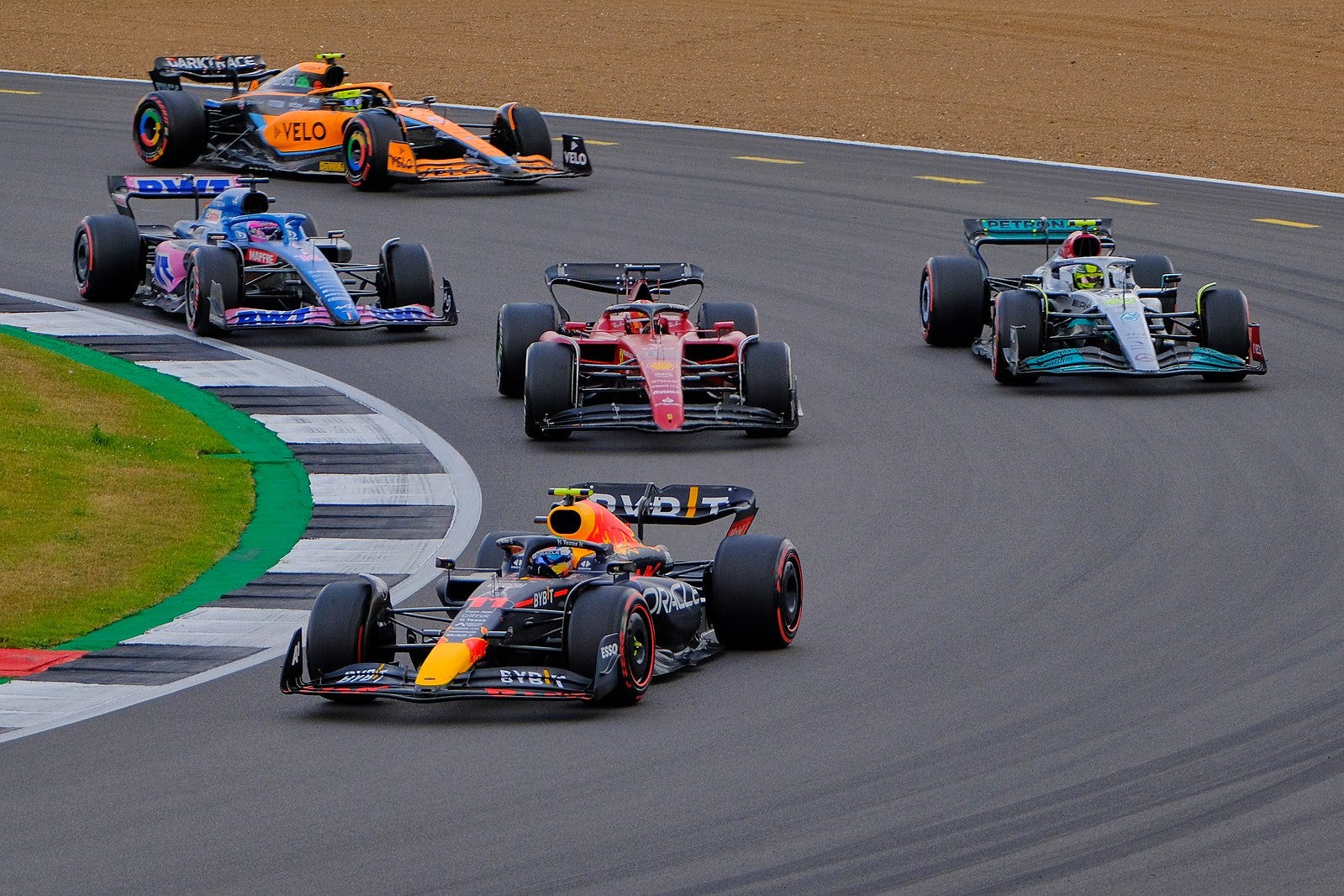
Reflecting this change, the calendar has expanded significantly as well, with the 2025 season featuring 24 races across five continents, with newer stops like Miami, Las Vegas, and Saudi Arabia joining historic venues such as Monza and Silverstone in recent years. While the sport has been commercially strong and had a loyal set of fans for years, back then it didn’t have the kind of global visibility it has today. Liberty Media’s acquisition in 2017 seems to have been a turning point, bringing an approach with a greater focus on digital content, fan engagement, and global entertainment, changes that appear to have helped carry Formula 1 to audiences everywhere.
.jpg)
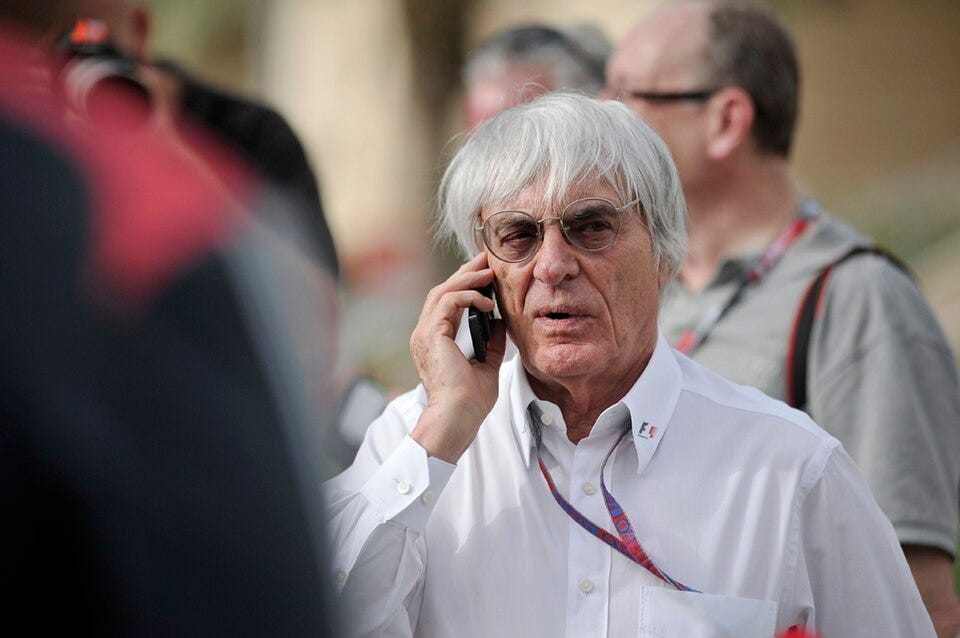
Before Liberty Media entered the picture, Formula 1 was already highly profitable, though tightly run. Much of that stability was built under Bernie Ecclestone, who for nearly four decades oversaw the sport’s commercial direction. Over the years, Formula 1’s revenues increased steadily and the calendar grew beyond Europe into the Middle East and Asia.
At the same time though, this model reflected the priorities of that era and so it came with its limits. Attempts to create a lasting presence in the US often fell short because races weren’t that popular and brought out only small crowds. By the mid 2010s, the sport had also not fully adapted to the digital age: marketing efforts were limited, fans mostly engaged through traditional TV broadcasts, and there was little behind the scenes content. As per RaceFans, Formula One Management’s official figures show that the global television audience dropped by about one third between 2008 and 2015, falling from around 600 million viewers in 2008 to just over 400 million by 2015.

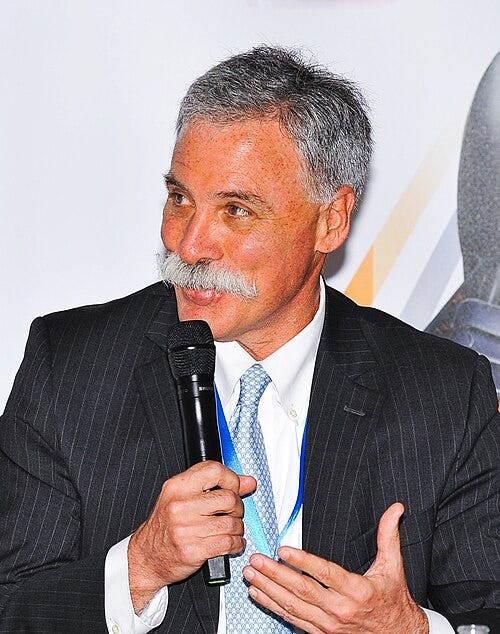
In 2017, Liberty Media completed its acquisition of Formula 1 in a deal that was valued at $8 billion, according to Formula1.com. Liberty Media, a US based mass media company that owns stakes in sports, entertainment, and communications businesses, arrived with a vision that differed from the approach of the decades before. Chase Carey was appointed as the new CEO of Formula 1, becoming the public face of this new era.
To better understand where growth could come from, Liberty engaged in extensive research into both existing fans as well as potential new audiences. Their findings pointed to two distinct groups: older fans who had been following the sport for a while and wanted more detail and access, and younger fans (particularly millennials) who were discovering the sport for the first time. They came up with different strategies for both groups:
-For existing fans, Liberty introduced more technical content through podcasts, YouTube videos, and the launch of F1 TV (a subscription streaming service with live coverage and data feeds)
-For new audiences, the approach was broader: initiatives included esports competitions, voting for “Driver of the Day,” race specific hashtags, and in particular the Netflix docuseries “Drive to Survive,” which gave behind the scenes access to fans unlike anything before
What seemed to emerge from these efforts was a new way of running Formula 1, opening it up as both a sport and an entertainment business, and this change became visible in how Formula 1’s commercial side was handled.

Formula 1’s business today seems to balance elements of tradition with a growing emphasis on entertainment. Its revenue comes from several core streams, and under Liberty Media, each seems to have been adjusted in ways that broaden both scale and audience. According to Formula One History, media rights make up around 32.8% of revenues, race promotion fees about 29.3%, sponsorships 18.6%, and hospitality and merchandising close to 19.3%. Formula 1’s total revenues hit $3.65 billion in 2024, a 25% increase year-on-year, as noted by Forbes.
-Media rights have expanded significantly since 2017. Broadcasting revenues rose from about $606 million in 2017 to $1.18 billion in 2024, according to S&P Global. Partnerships with Sky in the UK and ESPN in the US grew sharply in value. Liberty also made access easier through F1 TV and online highlights, helping the sport connect with new demographics.
-Race promotion fees remain a core element, with host cities and governments typically paying between $20 million and $60 million per year, according to Total Motorsport. Hosting races has turned into a form of city and nation branding, with organizers often viewing a Grand Prix as a way to showcase their cities on a global stage, boost tourism, and attract investment. Interestingly Liberty has introduced variations, most notably by directly promoting the Las Vegas race rather than working through a local promoter, a structure that could allow Formula 1 to share more directly in the returns.
-Sponsorships have seen some of the most dramatic growth under Liberty Media. When the company acquired Formula 1 in 2017, championship level sponsorship revenue was around $272 million. According to Ampere Analysis, by 2025, the combined value of sponsorships across the championship and teams is expected to exceed $2.9 billion. This shows how F1 has gone from working with a few luxury partners to becoming a global stage of sorts, where brands want to be seen not just for exposure but for the association with performance and prestige that comes with F1, the kind of link that can also strengthen their own brands.
-Hospitality and merchandising have also grown. The Paddock Club still stands out as one of the most exclusive experiences in global sport, offering VIP guests and sponsors upscale dining and premium views of the race. Beyond that, revenues have grown through merchandise, licensing, and digital services such as gaming. The feeder series Formula 2 and Formula 3 have been more tightly integrated into race weekends, creating both a clearer development path for drivers and additional sponsorship and media opportunities. The launch of the all female F1 Academy in 2023 added another route for talent.
The result of these developments is a sport that functions kind of like an ecosystem, generating revenue, visibility, and opportunities at multiple levels.


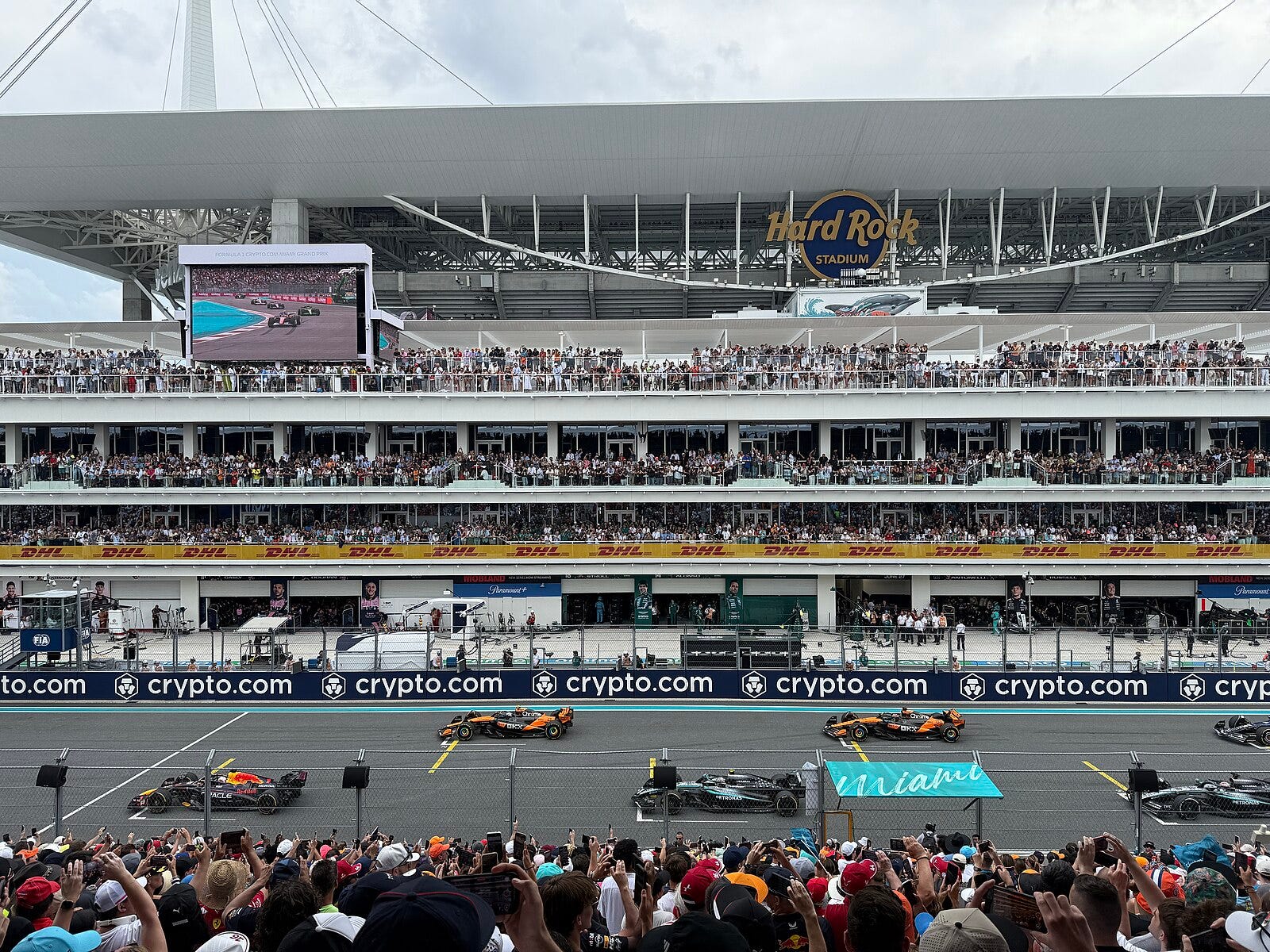
A big part of Formula 1’s global expansion has been its growing presence in the United States, which has now become one of its most important markets. The calendar now features three unique American races- Austin, Miami, and the highly publicized Las Vegas Grand Prix, a concentration which is unmatched outside of Europe and would have seemed unlikely just a decade ago.
According to Sports Business Journal, ESPN renewed its US Formula 1 broadcast rights deal in 2022 at approximately $75-90 million per year, from about $5 million annually under the previous deal, highlighting how valuable the US market has become. In addition, the American fanbase has reached 52 million, making it the largest market for F1’s YouTube viewership and social media following, as per Formula1.com.
Liberty Media’s strategy went beyond just adding races; a more open digital approach, and most significantly, Netflix’s “Drive to Survive” helped win over new fans, especially younger viewers and women, by focusing on the personalities, drama, and the behind the scenes side of the sport. It really caught on during the COVID-19 lockdowns, when live sports were scarce. According to Nielsen, among US viewers who hadn’t watched Formula 1 in late 2021, more than 360,000 new fans tuned into F1 races in 2022 after first streaming “Drive to Survive.”
By the time Formula 1 returned to Austin in 2021, a record 400,000 fans turned up for race weekend. Since then, Liberty has also put a big focus on what it calls “destination cities,” adding Miami and Las Vegas alongside Austin to strengthen its presence in the US.

Looking ahead, Formula 1 seems to be eyeing growth on multiple fronts:
-According to ESPN, despite a record 24 races, Africa remains the one major continent missing from the calendar, with its last Grand Prix held in South Africa back in 1993. It appears that discussions have been taking place about potentially bringing the sport back to the continent, which would highlight Liberty Media’s push to keep expanding Formula 1’s global footprint.
-Sustainability also seems to be a central focus, with F1 having set a target of reaching net zero carbon by 2030, and the FIA highlighting sustainable fuels as a key part of that plan.
-Digital reach and cultural presence are increasing too; as per Formula1.com, its global social media following has increased 26% year-on-year, making it the fastest growing major sport online. Additionally, the new Formula 1 movie became the highest grossing live action sports film worldwide, which points to how far the business has moved into mainstream entertainment.

Formula 1 today looks very different from when Liberty Media acquired it in 2017. Since then, the business has clearly opened up and expanded: media rights have grown, sponsorships have multiplied, new races have been added, and the digital side has made the sport more accessible. At the same time, it hasn’t lost the traditions that make it unique.
What has changed most is the scale and perception of the championship. F1 today has been repositioned as both a sporting competition as well as a cultural product, something that appeals to governments, global brands, and new generations of fans. In doing so, Liberty Media has helped transform F1 from a once relatively niche sport to a global entertainment enterprise that manages to attract new, diverse audiences while still staying true to its roots.
Sources: Forbes, Business Insider, SportsPro, Formula1.com, Liberty Media Corporation, Vested Finance, INDMoney, The Australian, The Times of India, The Wall Street Journal, TipRanks, S&P Global, Total Motorsport, bizofspeed, Luster Magazine, The Guardian, South China Morning Post, The New York Times, ResearchGate, Google Business, RaceFans, Formula One History, Total Motorsport, Sports Business Journal, Ampere Analysis, RTR Sports, and Nielsen.
Just a head’s up: I’m not an advisor or expert, just someone who’s curious, still learning, and trying to make sense of finance as I go. This isn’t financial advice - just good old thinking out loud.
Loving the articles Taannyaa, extremely interesting!! 👏
Clear story, clean numbers, and real cause-effect... from cost caps to calendar strategy. If anyone wants to understand how F1 went from niche to hundreds of millions of fans, this is the primer. Well done Taannyaa!